
Sign in

Menu

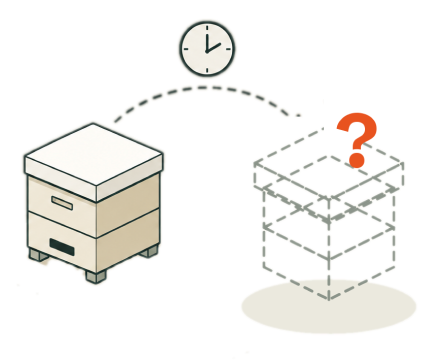
A beekeeper checks a hive, closes the lid and drives away. Everything that happens next is invisible until the next visit, and hives are often spread across sites hours apart.
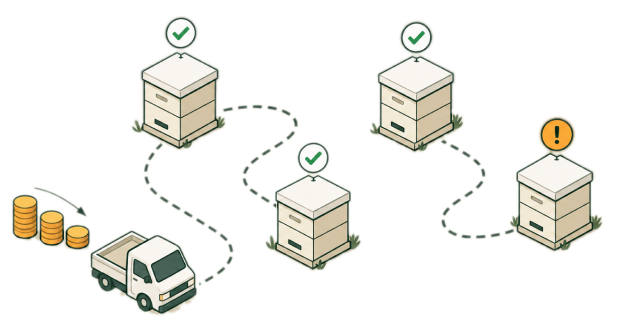
Most of a beekeeper’s time goes into checking hives that turn out to be fine, while the ones in trouble wait. Rising costs and pest pressure make every wasted trip more expensive. Beekeepers are leaving the industry, and pollination fees rise as they go.
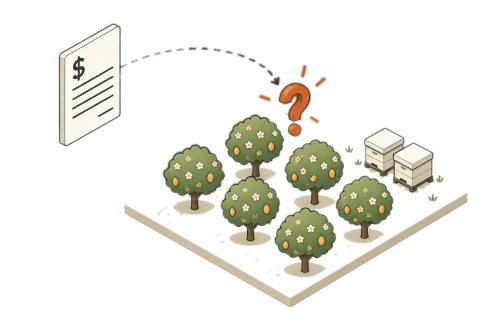
Farms pay for hives without an objective way to know what they received. Under pollinate and lose harvest, or over spend and never know. Neither is a real choice.
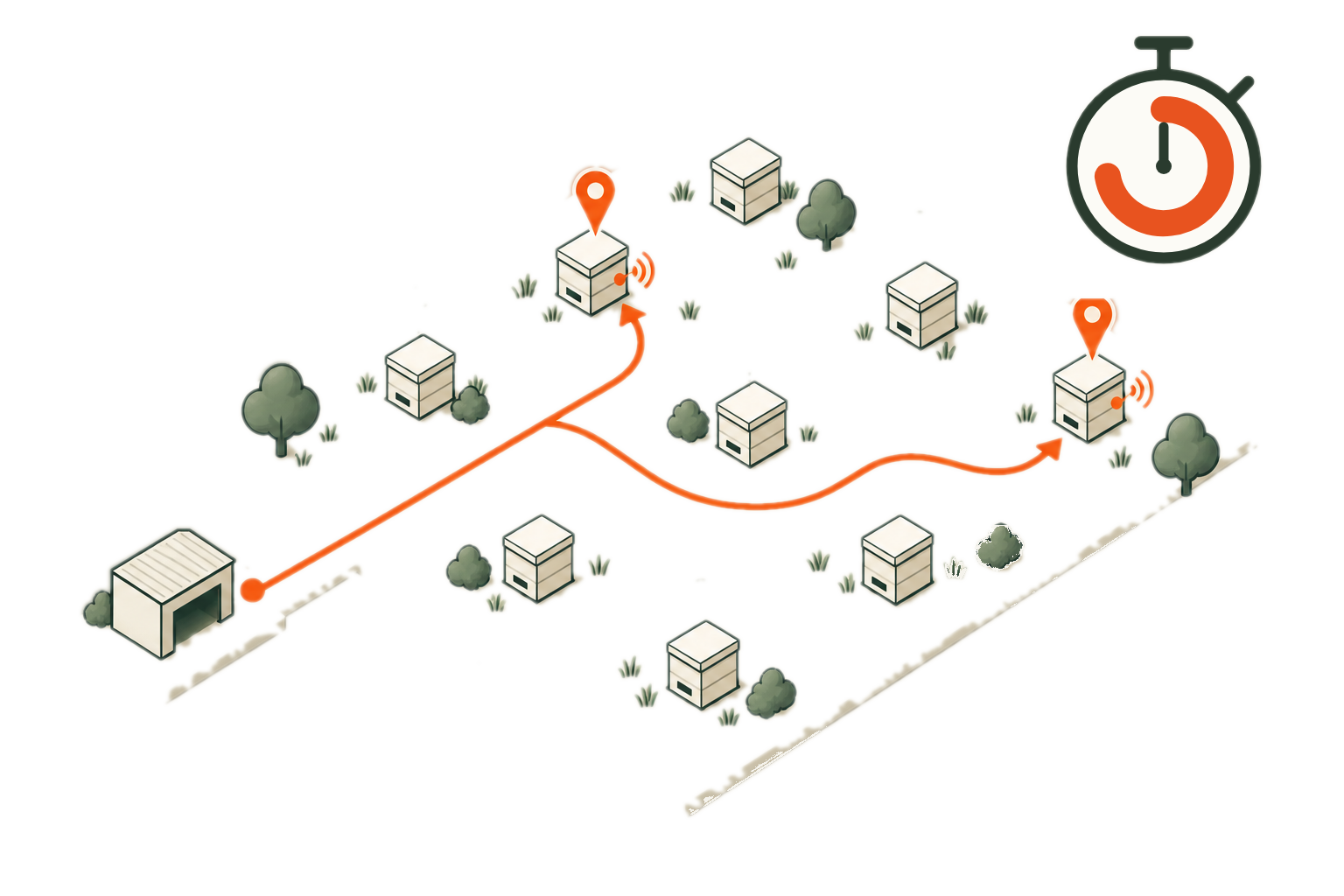
Targeted inspections mean beekeepers go where they are needed instead of everywhere. In our field experience that cuts inspection work by as much as 60 to 70 percent, and puts that time back into the hives that need it.
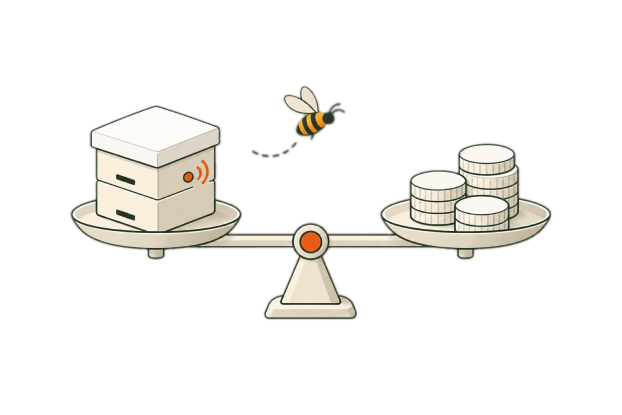
Every grower feels pollination fees rising. The lasting fix is not negotiation, it is supply: beekeeping businesses healthy enough to keep strong hives coming back every season.
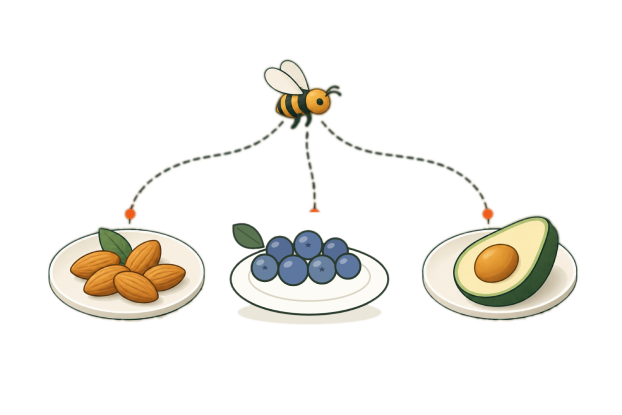
A large share of the crops we eat depend on managed pollination. When pollination weakens, harvests follow.
Most agtech adds a device here or an app there. We connect the whole chain in one system: the health of the hive, the work of the beekeeper, the pollination on the farm. When one platform sees the entire chain, pollination stops being a guess. It becomes quantified, efficient and transparent.
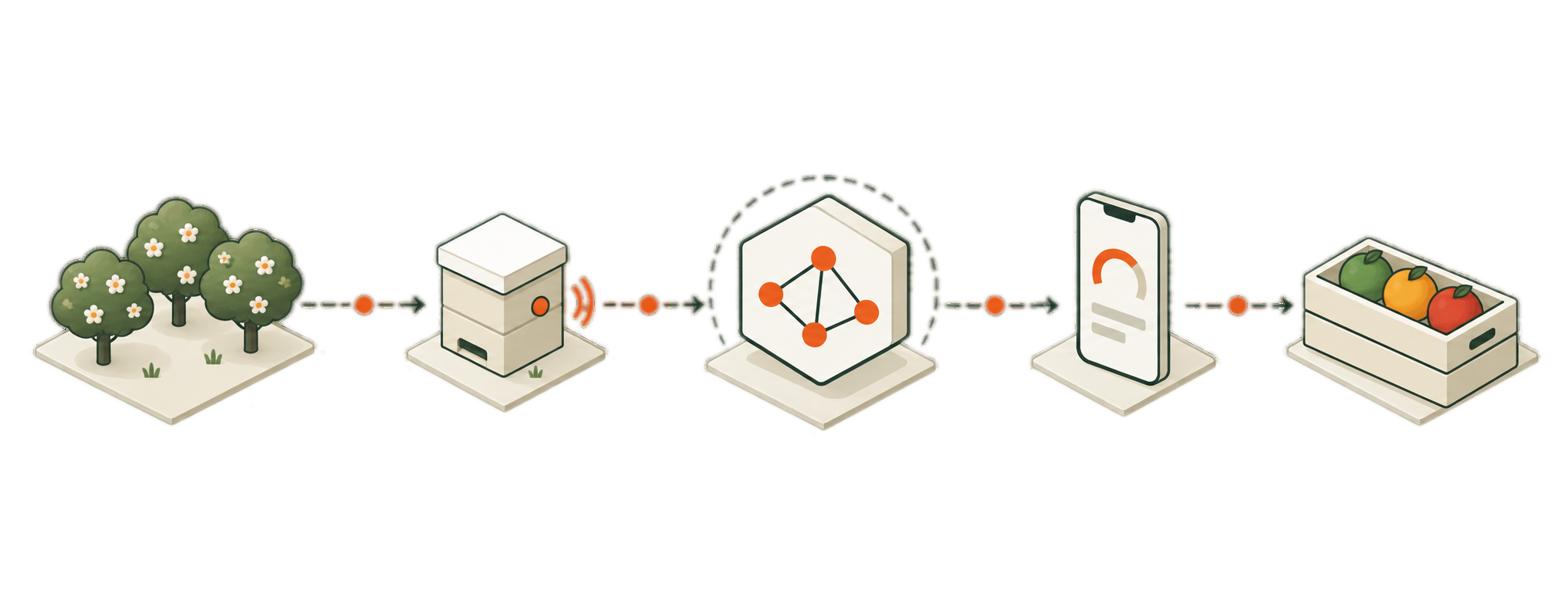
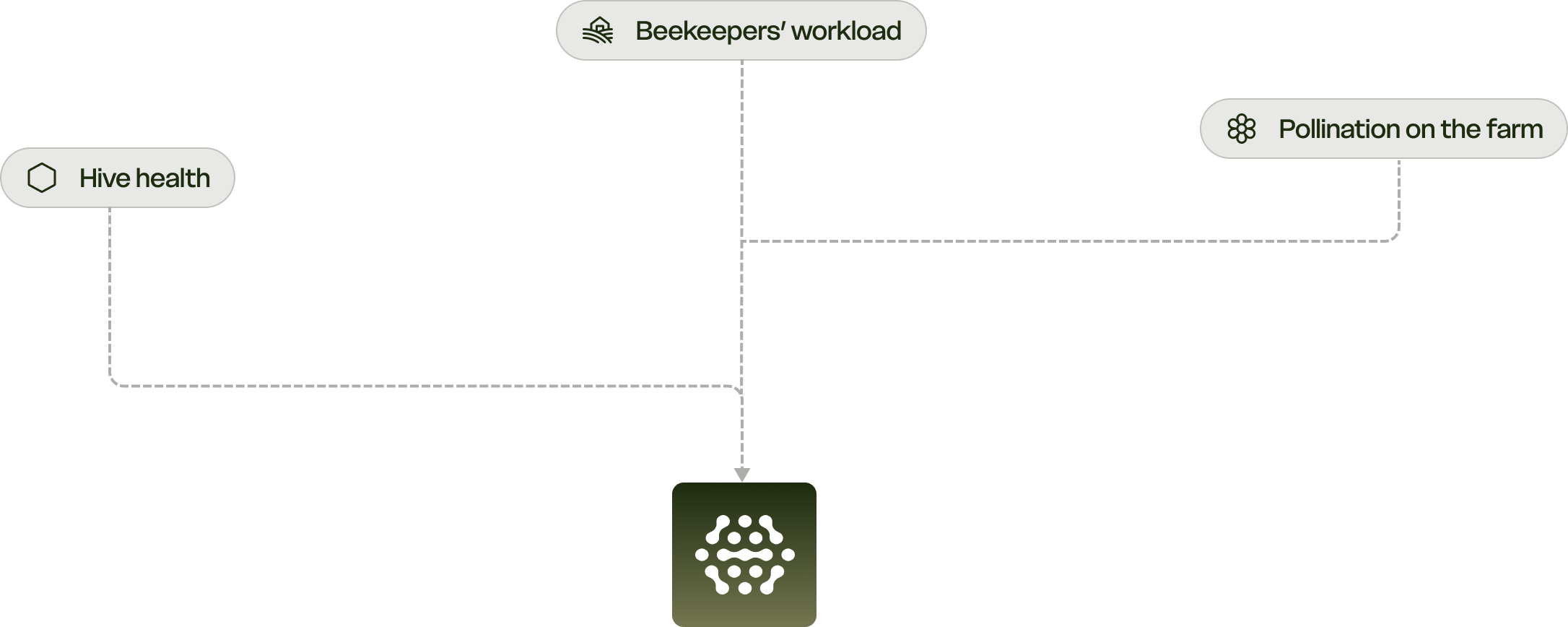
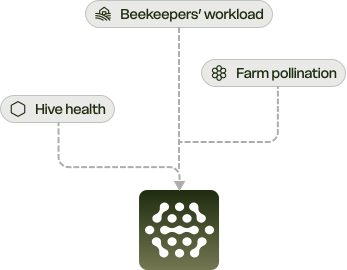
Beestar is a data company. Sensors are how the data gets in. The business is what the data makes possible. Not a gadget. Infrastructure.
Beekeepers own the data their hives produce, and Beestar is certified under the National Farm Data Code. Your data works for you.
Hive data is commercial data, and we treat it that way. Security is built into how data is collected, moved and stored, not bolted on afterwards.
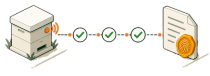
Anyone can show you a number on a screen. We are building the systems to prove a reading is genuine and untouched from the moment it was captured in the field.
Software solution
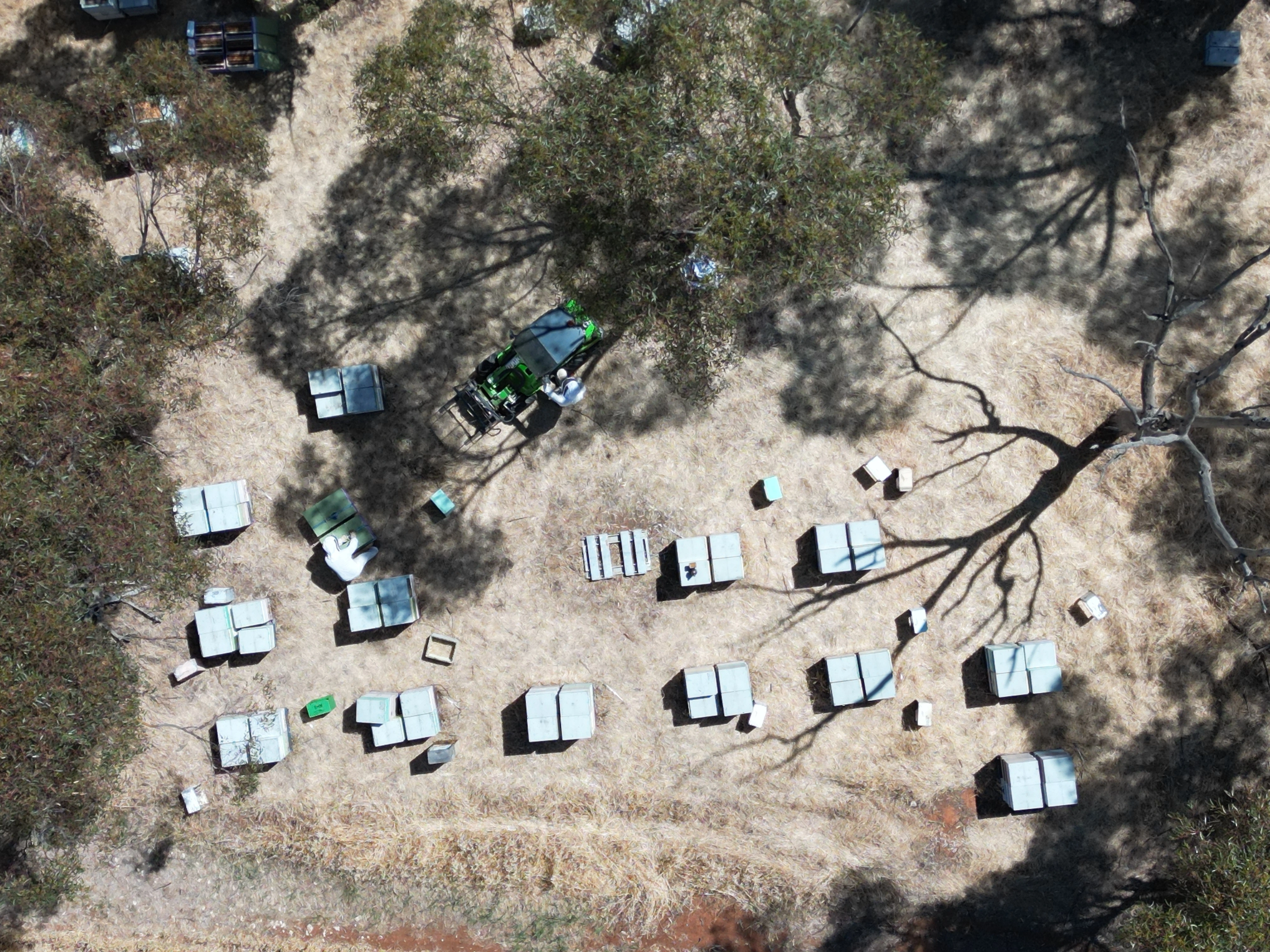
The platform watches every hive and tells the beekeeper which ones need attention and which can wait. A pattern that breaks from a hive’s usual behaviour becomes a reason to visit, before it becomes a loss.
That is where the time savings come from, and where colonies get saved.
Software solution
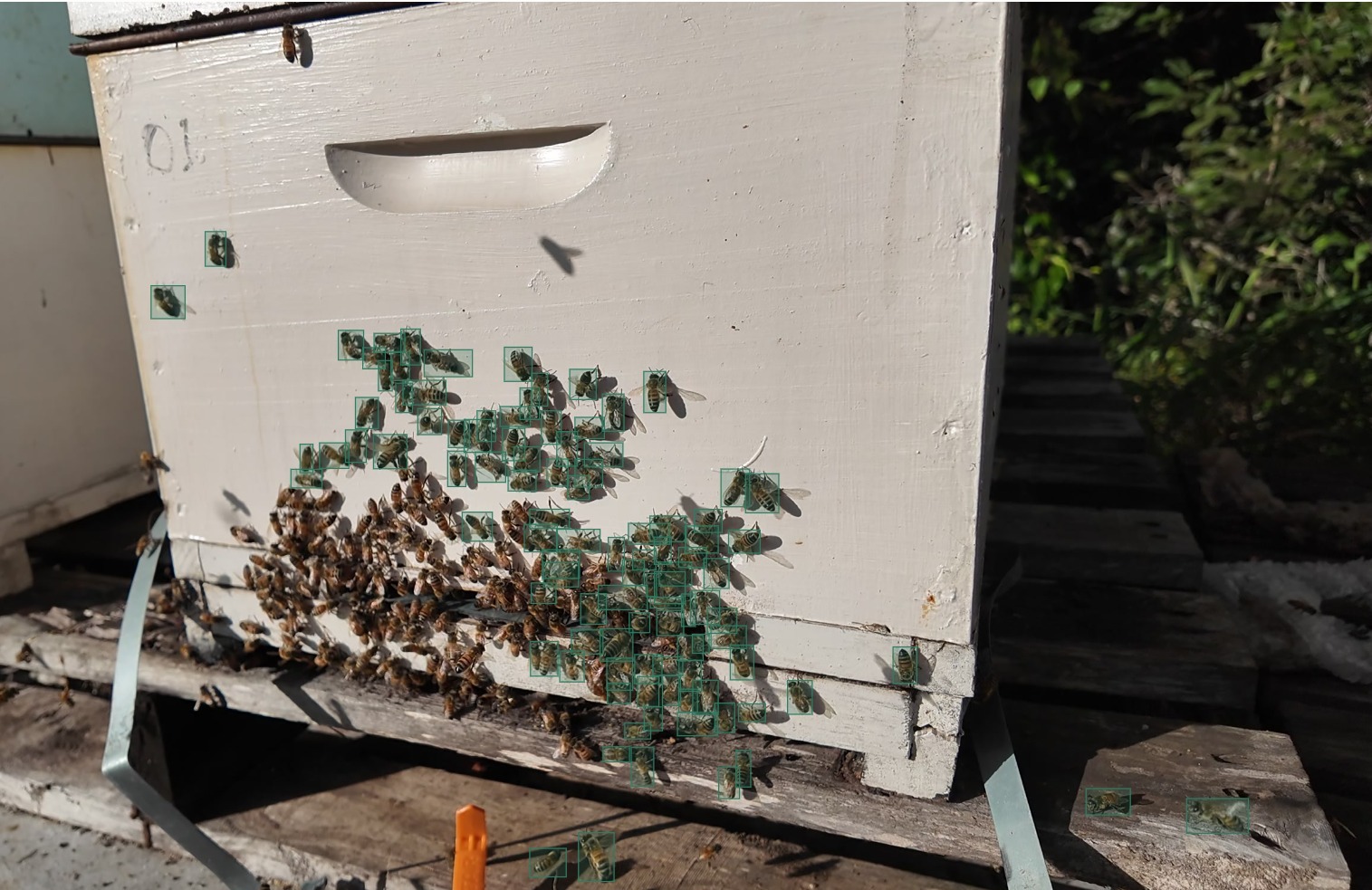
Beekeepers see the state of every yard and every load, and what needs doing next. Growers see the pollination story of their own orchard as the season unfolds, on a grower dashboard now in pilot. Both are looking at the same data, which is exactly the point.
And it never replaces the beekeeper. Monitoring gives experienced judgement better information and more time. The judgement stays human.
Hardware solution
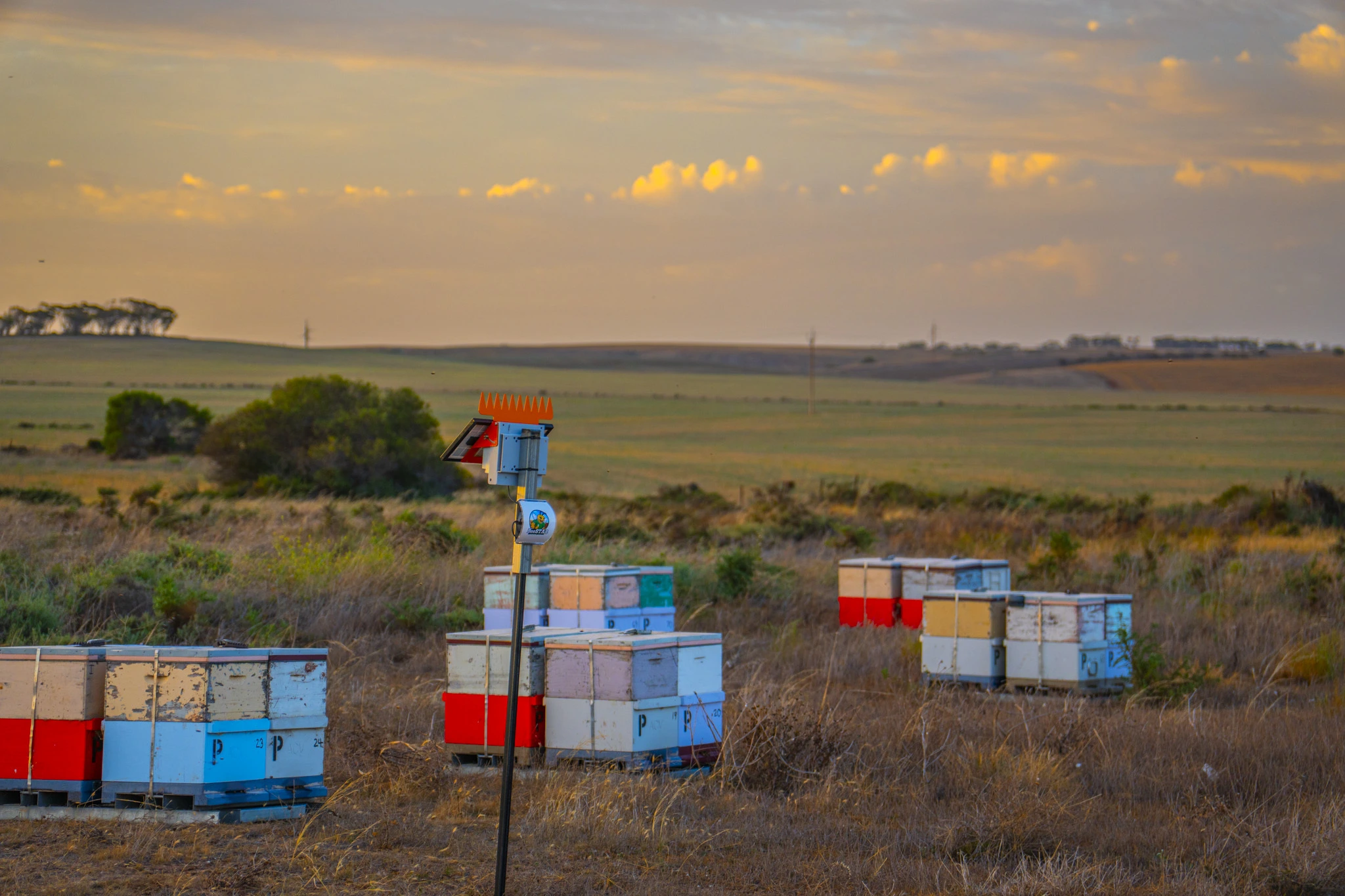
Our monitoring hardware lives on working hives. It gets trucked at night, stacked, knocked, rained on and cooked in the sun, and it is built to keep reporting through all of it. Years of operation across every Australian state have shaped every design decision.
Hardware solution
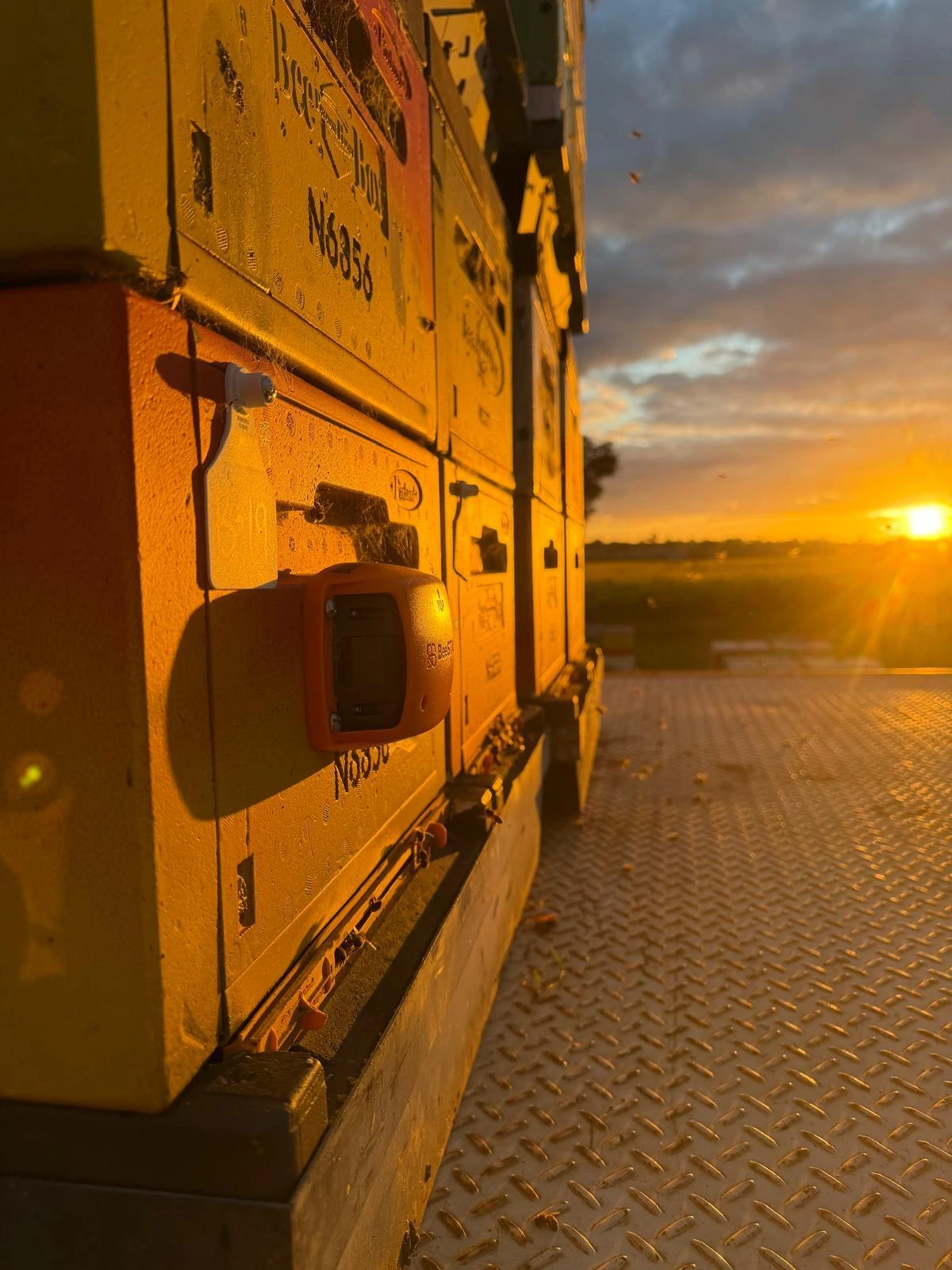
Installation is quick, and the equipment is designed to stay out of the colony’s way and out of the beekeeper’s way on inspection day. The best technology in this industry is the kind you forget is there.

An almond orchard flowering for three weeks in late winter is a different job from a berry farm flowering for months under netting, or a macadamia plantation in coastal Queensland.
So we do not sell one generic product. We build pollination optimisation programs for each crop, calibrated to the region, the season and the way that crop is actually grown.
That local calibration comes from the field, crop by crop and season by season, and it is the part of our work nobody can copy from a spec sheet.
Where this is heading
Every day our platform collects hive data automatically, at a scale no clipboard ever could. That growing body of field data is the foundation of our Large Hive Model, and of what we call agentic beekeeping: systems that do not just inform beekeepers, but work alongside them.
We deliberately keep the details of our sensing, models, and business off this page. If you are serious about your crop, hives or investment, we are happy to dive deeper. Bring us your operating conditions and we will show you what the platform can do with them.